Wildflower Ranch
  • Wildflower Ranch
  • STAY
    • Compare Accommodations
    • Tent and Pop-up Campsites
    • Private Campsites Florida
    • Wild Indigo Bell Tent
    • Senna Cabin
    • RV Boondocking
  • EXPERIENCE
    • The Ranch
    • Pool & Outdoor Kitchen
    • Games & Recreation
    • Family Camping Florida
    • Stargazing
    • Gallery
  • EXPLORE
    • North Florida Adventures
    • Florida Springs & Diving
    • Gainesville & Area
    • Camping Near Gainesville
  • Book Your Stay
  • PLAN YOUR STAY
    • Amenities
    • FAQ
    • Getting Here
    • What to Bring
  • OUR RANCH
    • Our Story
    • Ranch Life
    • Onsite Shop
    • Ag & Conservation
  • More
    • Wildflower Ranch
    • STAY
      • Compare Accommodations
      • Tent and Pop-up Campsites
      • Private Campsites Florida
      • Wild Indigo Bell Tent
      • Senna Cabin
      • RV Boondocking
    • EXPERIENCE
      • The Ranch
      • Pool & Outdoor Kitchen
      • Games & Recreation
      • Family Camping Florida
      • Stargazing
      • Gallery
    • EXPLORE
      • North Florida Adventures
      • Florida Springs & Diving
      • Gainesville & Area
      • Camping Near Gainesville
    • Book Your Stay
    • PLAN YOUR STAY
      • Amenities
      • FAQ
      • Getting Here
      • What to Bring
    • OUR RANCH
      • Our Story
      • Ranch Life
      • Onsite Shop
      • Ag & Conservation
  • Sign In
  • Create Account

  • My Account
  • Signed in as:

  • filler@godaddy.com


  • My Account
  • Sign out

Wildflower Ranch

Signed in as:

filler@godaddy.com

  • Wildflower Ranch
  • STAY
    • Compare Accommodations
    • Tent and Pop-up Campsites
    • Private Campsites Florida
    • Wild Indigo Bell Tent
    • Senna Cabin
    • RV Boondocking
  • EXPERIENCE
    • The Ranch
    • Pool & Outdoor Kitchen
    • Games & Recreation
    • Family Camping Florida
    • Stargazing
    • Gallery
  • EXPLORE
    • North Florida Adventures
    • Florida Springs & Diving
    • Gainesville & Area
    • Camping Near Gainesville
  • Book Your Stay
  • PLAN YOUR STAY
    • Amenities
    • FAQ
    • Getting Here
    • What to Bring
  • OUR RANCH
    • Our Story
    • Ranch Life
    • Onsite Shop
    • Ag & Conservation

Account


  • My Account
  • Sign out


  • Sign In
  • My Account

Agriculture & Conservation at Wildflower Ranch

Growing a Ranch with Purpose

At Wildflower Ranch, our vision extends beyond providing a place to stay. We're working to bring together small-scale agricultural activity, homesteading, pollinator support, and thoughtful stewardship of the land.


Our property includes sandy uplands, longleaf pines, oak hammocks, native vegetation, and wildlife habitat. These natural features are an important part of what makes the ranch special, and they influence how we approach the land's future.


Our goal is to develop productive agricultural activities while preserving the character of the property, protecting native vegetation, and being mindful of the natural resources that support life here.


This is an ongoing effort, shaped by the seasons, practical experience, and a commitment to learning what works best on our land.
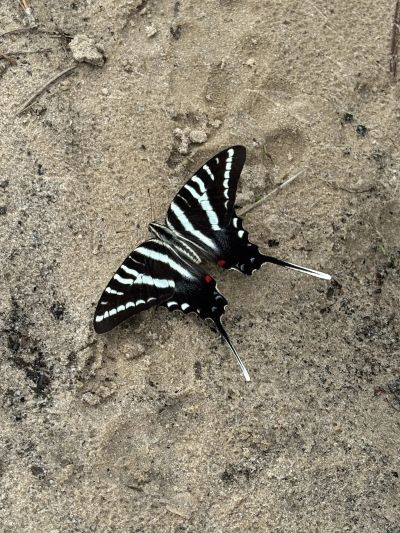
Working with the Land We Have

The ranch sits in a North Florida landscape where sandy soils, seasonal rainfall, and differences in sun and shade all influence what can grow successfully.


Much of the property is relatively dry and sandy, with longleaf pines distributed across open areas and several small oak hammocks providing patches of shade. These conditions present both challenges and opportunities for growing food, supporting pollinators, and managing the land responsibly.


Rather than trying to make every part of the property look or function the same, our approach is to consider the conditions already present and work with them.


That means recognizing the value of existing vegetation, choosing planting locations carefully, and considering how agricultural activities can coexist with the natural landscape.

Supporting Pollinators and Honeybees
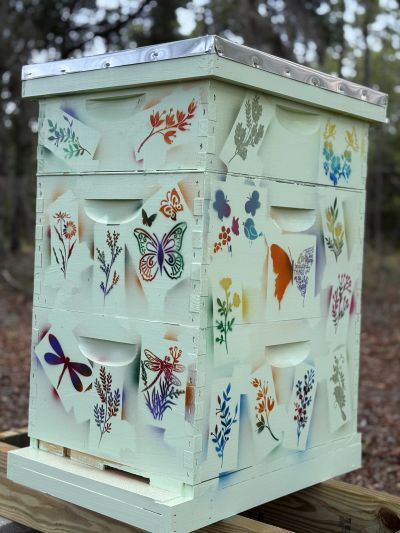
Pollinators are an important part of our agricultural vision. Honeybees are especially interesting because their needs change throughout the year as different plants flower and pollen and nectar become available.


We're interested in developing apiary activities alongside a broader approach to supporting pollinators and understanding the seasonal resources available on the property.


The ranch's existing vegetation, flowering plants, and planted species each contribute differently to the landscape. Not every flower is equally useful to honeybees, and the availability of forage changes with the season. Understanding those differences is part of developing a practical, site-specific approach.


Our longer-term vision includes considering which native trees, shrubs, and other plants may provide useful seasonal resources while also serving agricultural purposes and fitting the local environment.


Supporting honeybees is one part of this effort, alongside appreciating native pollinators and the wider ecological relationships that make a landscape function.

Longleaf Pines and Native Vegetation

Longleaf pines are a defining feature of the ranch. They grow across much of the property, with trees of different sizes and areas where younger seedlings are emerging.


We value this existing landscape and want to give native vegetation room to persist and develop. The oak hammocks, sandy openings, and other patches of vegetation contribute to the property's varied character and provide opportunities to observe native plants and wildlife.


Our stewardship approach begins with paying attention to what's already growing here.


Where practical, we aim to avoid unnecessary disturbance to native plants and natural features. We also recognize that long-term land management involves ongoing decisions about vegetation, access, agricultural use, and the balance between human activity and natural habitat.


We want the ranch to remain a place where visitors can enjoy the outdoors while the land's natural character continues to be part of the experience.

Homesteading and Food Production

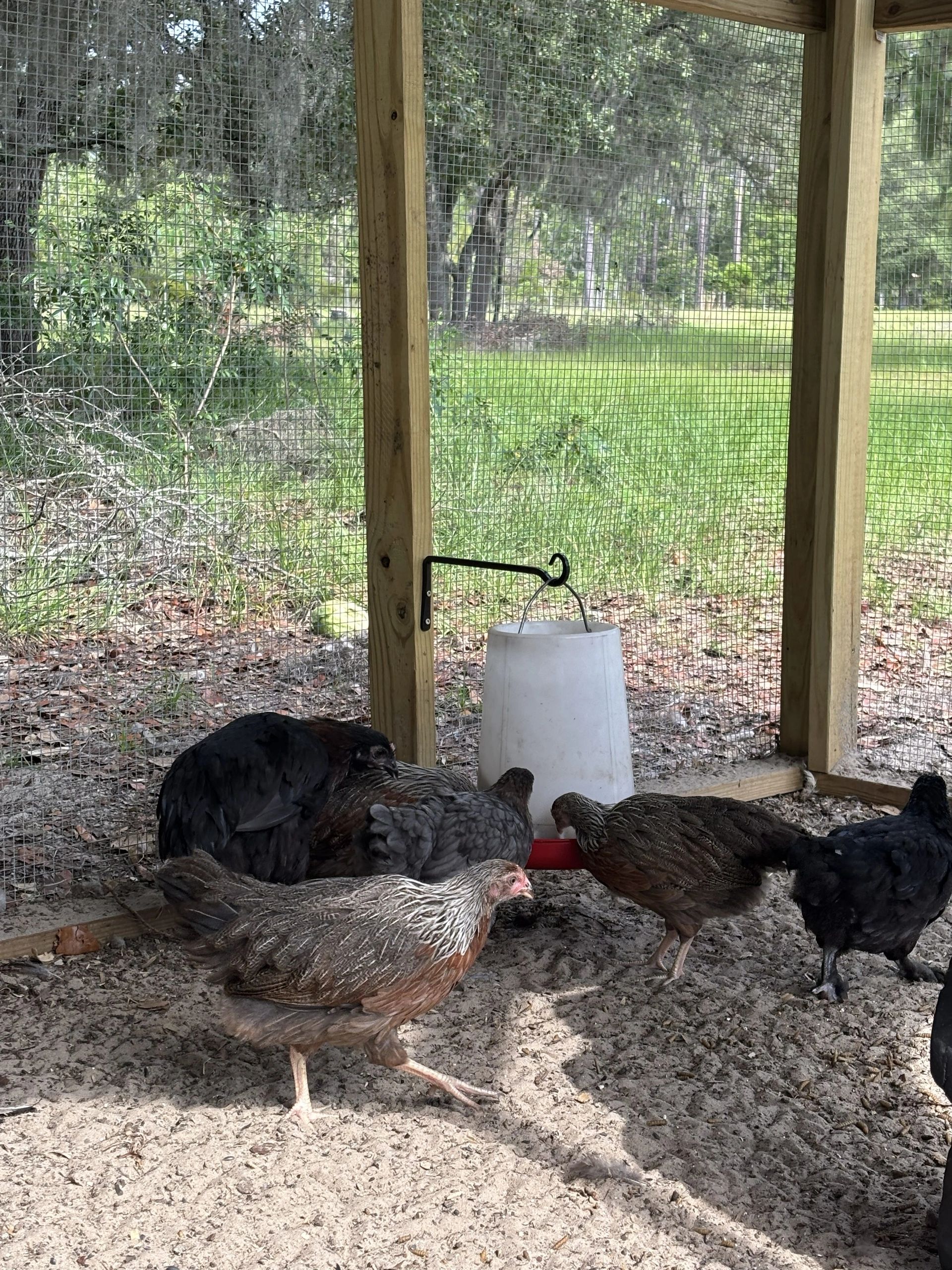
Homesteading is another part of the ranch's evolving vision. We're exploring ways to integrate food production, gardening, chickens, and other agricultural activities into the day-to-day life of the property.


Growing food in sandy North Florida soil requires thoughtful choices about plant selection, irrigation, soil improvement, and growing conditions. Areas with full sun have different possibilities from the shaded spaces beneath trees, so we consider those differences when planning gardens and plantings.


Our approach is practical and gradual: learn from what grows well, make use of available resources, and develop systems that are manageable over time.


We also look for opportunities to connect agricultural activities with the larger goals of caring for the property and making good use of its resources.

Making Thoughtful Use of Resources

Responsible land management involves more than planting. It also means considering how everyday activities affect the soil, vegetation, and wider environment.


On the ranch, we're interested in practical approaches to soil improvement, water use, and managing organic materials. For example, spreading used chicken bedding in appropriate areas with exposed sandy soil is one way we are experimenting with putting organic material to use while encouraging ground cover to return.


These efforts are guided by observation and the realities of managing a rural property. Different areas have different needs, and practices that make sense in one location may not be appropriate everywhere.


Our aim is to make thoughtful, incremental improvements without creating unnecessary disturbance or using more resources than needed.


Agriculture and Conservation Can Work Together
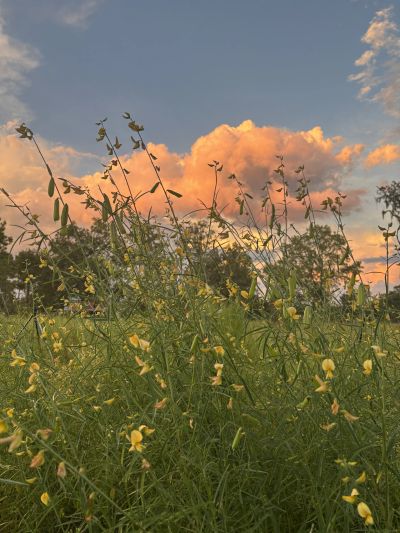
We believe agricultural activity and care for the land should be considered together rather than as competing goals.


At Wildflower Ranch, that means exploring agricultural opportunities while remaining mindful of native vegetation, pollinators, wildlife habitat, and the sandy upland landscape.


Some goals will take time. Plantings need to become established, young trees need time to grow, and the best management decisions often emerge through observation and experience. We're approaching this as a long-term process rather than a finished project.


As the ranch develops, we intend to continue evaluating practices that suit the property's conditions and support its agricultural and environmental goals.

A Living Project

Wildflower Ranch is an evolving small business, homestead, and landscape. We are continually learning how to balance hosting guests, developing agricultural activities, and caring for the property.


We don't see stewardship as something accomplished in a single project. It is an ongoing series of choices: what to plant, what to preserve, how to manage resources, and how to make the land productive without losing the qualities that make it special.


We're glad to share this place with guests who appreciate the outdoors and the work that goes into caring for a rural property.

Experience the Land

The natural landscape is part of the experience.
discover ranch lifeexplore our accommodationsplan your north florida getaway

Copyright © 2026 Wildflower Ranch - All Rights Reserved.

  • FAQ
  • Getting Here
  • What to Bring

Powered by

This website uses cookies.

We use cookies to analyze website traffic and optimize your website experience. By accepting our use of cookies, your data will be aggregated with all other user data.

Accept
